
As you delve into the world of Paver Sealing Near Me for Residential Maintenance, a myriad of benefits and considerations unfold. From preserving the longevity of your pavers to elevating your property's visual charm, this topic is a blend of practicality and aesthetics.
Let's explore the nuances of paver sealing, from the types of sealers available to the crucial factors to ponder before sealing your pavers.
Importance of Paver Sealing
Paver sealing is a crucial aspect of residential maintenance that offers numerous benefits to homeowners.
Benefits of Paver Sealing
- Protection: Sealing pavers helps in protecting them from harsh weather conditions, such as rain, UV rays, and snow, which can cause damage over time.
- Prevention of Stains: Sealed pavers are less prone to stains from oil, grease, and other substances, making them easier to clean and maintain.
- Enhanced Durability: By sealing pavers, you can extend their lifespan significantly, reducing the need for frequent replacements.
Impact of Not Sealing Pavers
- Decreased Longevity: Pavers that are not sealed are more susceptible to cracking, fading, and erosion, leading to premature deterioration.
- Maintenance Challenges: Unsealed pavers require more frequent cleaning and repairs, increasing maintenance costs over time.
Enhanced Aesthetic Appeal
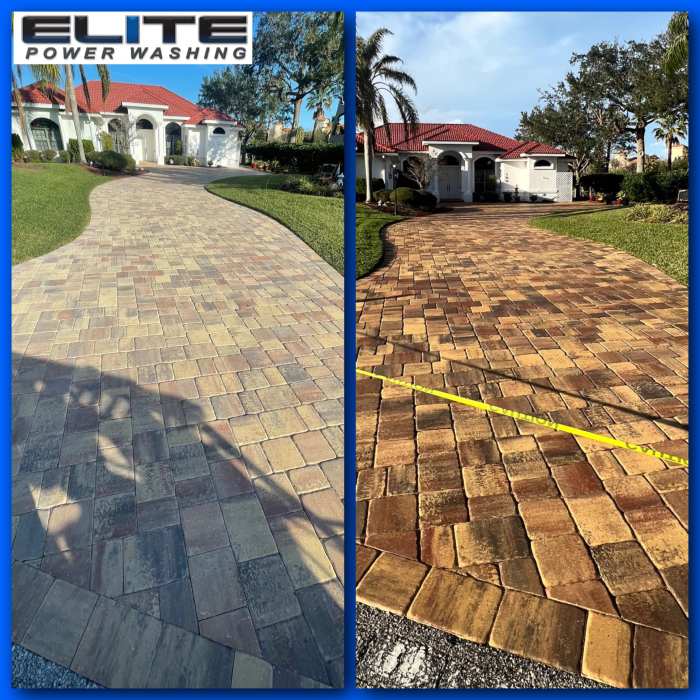
Sealing pavers not only protects them but also enhances the overall look of your property. The sealant can deepen the color of the pavers, giving them a vibrant and fresh appearance that boosts curb appeal.
Types of Paver Sealers
When it comes to paver sealers, there are different types available on the market. Understanding the differences between these sealers can help you make an informed decision for your paver maintenance needs.
Solvent-Based vs. Water-Based Sealers
Solvent-based sealers contain chemicals that evaporate into the air during the curing process. These sealers offer excellent protection against stains and UV rays, but they may emit strong odors and require proper ventilation during application. On the other hand, water-based sealers are eco-friendly, have low VOC emissions, and are easier to clean up.
However, they may not provide the same level of protection as solvent-based sealers.
Penetrating Sealers vs. Topical Sealers
Penetrating sealers are designed to penetrate the surface of the pavers, creating a protective barrier from within. They offer a natural look and protection against water penetration, while still allowing the pavers to breathe. In contrast, topical sealers form a protective layer on the surface of the pavers, providing a glossy or matte finish.
They offer enhanced color enhancement and protection against stains, but may require more frequent reapplication compared to penetrating sealers.
Factors to Consider Before Sealing Pavers
Before starting the paver sealing process, there are several important factors to consider to ensure the best results and longevity of the sealer.
Checklist of Things to Consider
- Inspect the condition of the pavers for any damage or stains that may need to be addressed before sealing.
- Clean the pavers thoroughly to remove any dirt, debris, or previous sealant residue.
- Ensure the pavers are completely dry before applying the sealer to prevent trapping moisture underneath.
- Select the appropriate type of sealer based on the type of pavers and the desired finish.
- Consider the traffic and usage of the area to determine the durability and slip resistance needed from the sealer.
Importance of Surface Preparation
Surface preparation is crucial before applying the sealer as it ensures proper adhesion and penetration of the sealer into the pavers. Cleaning the pavers removes any contaminants that could interfere with the bonding of the sealer, while allowing the sealer to penetrate evenly for a smooth and long-lasting finish.
Impact of Weather Conditions
Weather conditions can significantly impact the effectiveness of paver sealing. It is important to consider factors such as temperature and humidity when planning to seal pavers. Sealing pavers in extreme heat or cold can affect the drying time and application of the sealer, leading to issues with the finish and durability.
It is best to seal pavers during moderate weather conditions to ensure optimal results.
DIY vs. Professional Paver Sealing
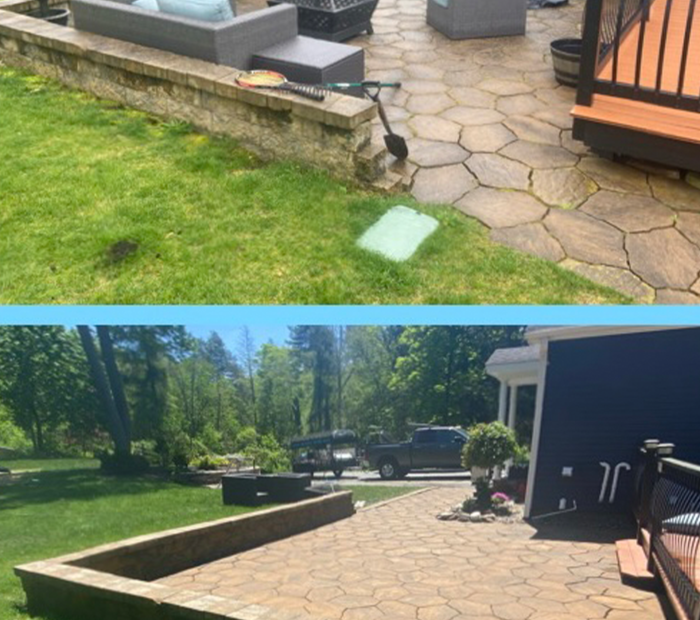
When it comes to paver sealing near residential properties, homeowners often face the decision of whether to tackle the project themselves or hire a professional. Each option comes with its own set of benefits and drawbacks, so it's essential to weigh them carefully before making a decision.
Benefits and Drawbacks of DIY Paver Sealing
- Benefits of DIY:
- Cost-effective as you save on labor costs.
- You have control over the process and timeline.
- Can be a rewarding experience for those who enjoy DIY projects.
- Drawbacks of DIY:
- Risk of improper application leading to ineffective sealing.
- Time-consuming and physically demanding, especially for larger areas.
- No guarantee of professional results or long-lasting protection.
Advantages of Hiring a Professional
- Expertise and Experience:
- Professionals have the knowledge and skills to ensure proper application.
- Experience in handling various types of pavers and sealants for optimal results.
- Quality Results:
- Professional contractors can deliver superior quality and long-lasting sealing.
- Use of specialized equipment and techniques for efficient and effective sealing.
- Time and Convenience:
- Saves you time and effort by letting professionals handle the job efficiently.
- Convenience of not having to purchase tools and products for sealing.
Tips for Choosing the Right Contractor
- Evaluate Experience:
- Look for contractors with a proven track record in paver sealing.
- Check for reviews and testimonials from previous clients for feedback on their work.
- Licensing and Insurance:
- Ensure the contractor is licensed and insured to protect yourself and your property.
- Ask for proof of insurance and necessary certifications before hiring.
- Get Multiple Quotes:
- Obtain quotes from multiple contractors to compare pricing and services offered.
- Avoid choosing solely based on price; consider the overall value and reputation of the contractor.
Last Word
In conclusion, Paver Sealing Near Me for Residential Maintenance is not just about protection; it's about enhancing the essence of your living space. By understanding the importance of sealing, choosing the right type of sealer, and considering key factors, you can ensure your property stands out with pristine pavers for years to come.
Common Queries
How often should I seal my pavers?
It is recommended to seal your pavers every 2-3 years to maintain their durability and appearance.
Can I apply sealer on wet pavers?
No, it is essential to ensure that the pavers are completely dry before applying any sealer to achieve optimal results.
Are water-based sealers eco-friendly?
Yes, water-based sealers are considered more environmentally friendly compared to solvent-based sealers.