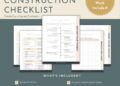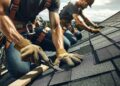

Exploring the world of Roof Estimate Accuracy and Inspection Reports opens up a realm of crucial insights and tips for construction professionals. From understanding the impact of accurate estimates to the role of technology in inspection reports, this topic delves into key aspects that can make or break a roofing project.
Get ready to uncover the secrets behind successful roofing endeavors.
In the following paragraphs, we will delve deeper into the importance of accurate roof estimates and the essential elements of inspection reports in the roofing industry.
Roof Estimate Accuracy

Accurate roof estimates are crucial in construction projects as they form the foundation for project planning, budgeting, and scheduling. Inaccurate estimates can lead to costly delays, budget overruns, and potential rework, impacting the overall success of the project.
Factors Affecting Accuracy of Roof Estimates
- Quality of initial inspection and assessment.
- Complexity of the roof design and materials.
- Unforeseen structural issues or damage.
- Changes in market prices for roofing materials.
- Inaccurate measurements or calculations.
Impact of Inaccurate Estimates on Project Timelines and Budgets
- Delays in procurement of materials and labor.
- Additional costs for rework or change orders.
- Disruption of project schedule and workflow.
- Negative impact on client satisfaction and reputation.
Tips for Improving Accuracy of Roof Estimates
- Conduct a detailed inspection of the roof and surrounding structures.
- Utilize advanced technology like drones or roof scanning for accurate measurements.
- Consult with roofing experts or contractors for specialized knowledge.
- Factor in contingencies for unforeseen issues or changes during the project.
- Regularly update and review the estimate throughout the project for accuracy.
Inspection Reports for Roofing Projects
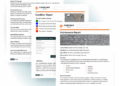
Inspection reports play a crucial role in the roofing industry as they provide a detailed assessment of the condition of a roof, helping stakeholders make informed decisions regarding repairs, maintenance, or replacements
Key Elements of a Comprehensive Roof Inspection Report
- Roofing Materials: Details about the type of materials used, their condition, and any signs of damage or wear.
- Roof Structure: Assessment of the roof's structure, including support beams, trusses, and decking.
- Drainage System: Evaluation of gutters, downspouts, and drainage pipes to ensure proper water flow.
- Flashing and Sealants: Inspection of flashing around vents, chimneys, and skylights, as well as checking sealants for cracks or gaps.
- Roofing Membrane: Examination of the membrane for tears, punctures, or deterioration.
- Roof Penetrations: Assessment of any penetrations such as vents, pipes, or HVAC units for proper sealing and flashing.
Role of Technology in Enhancing Inspection Reports
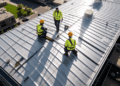
Technology has revolutionized the process of roof inspections by allowing for more accurate and efficient data collection. Drones, thermal imaging cameras, and software tools enable inspectors to access hard-to-reach areas, detect potential issues early on, and create detailed reports with photographic evidence.
This technology not only improves the quality of inspections but also enhances safety and productivity.
Best Practices for Conducting Detailed Roof Inspections
- Start with a thorough visual inspection of the roof from all angles.
- Use technology like drones or thermal imaging to access difficult-to-reach areas.
- Document findings with detailed notes, photographs, and measurements.
- Check for common roofing problems such as leaks, missing shingles, or damaged flashing.
- Provide recommendations for repairs or maintenance based on the inspection findings.
Outcome Summary
In conclusion, Roof Estimate Accuracy and Inspection Reports play a pivotal role in ensuring the success of roofing projects. By focusing on precision and thoroughness in estimates and inspections, construction professionals can navigate challenges effectively and deliver exceptional results. Stay informed, stay accurate, and watch your roofing projects soar to new heights.
Essential FAQs
What are the consequences of inaccurate roof estimates?
Inaccurate roof estimates can lead to project delays, budget overruns, and potential disputes with clients or contractors.
How can technology enhance the accuracy of inspection reports?
Technology such as drones and specialized software can provide detailed data and streamline the inspection process, improving accuracy and efficiency.
What should a comprehensive roof inspection report include?
A comprehensive roof inspection report should cover findings on the roof's condition, potential issues, recommended repairs, and photographic evidence.
Why is it important to conduct detailed roof inspections?
Detailed roof inspections help identify potential problems early, prevent costly damages, and ensure the safety and longevity of the roof.